
The Power of Real-Time Customer Analytics

In today’s fast-paced world, businesses need to act quickly. Waiting hours or days to understand customer behavior is no longer an option. That’s where real-time analytics benefits come into play. They help you see what your customers want right now. This instant insight lets you make smarter decisions fast. It’s a game-changer for customer support teams and businesses alike.
Real-time analytics benefits are not just about speed. They also improve accuracy and relevance. When you know what your customers are doing at this very moment, you can tailor your responses and offers perfectly. This leads to happier customers and better results.

Why Real-Time Analytics Benefits Matter
Real-time analytics benefits give you a clear edge over competitors. Here’s why:
Immediate decision-making: You don’t have to wait for reports to come in. You get data as it happens.
Better customer experience: Quick responses to customer needs build trust and loyalty.
Increased efficiency: Teams can focus on what matters most, reducing wasted effort.
Proactive problem solving: Spot issues before they escalate and fix them fast.
For example, imagine a customer support team using real-time data to track incoming messages on WhatsApp and Instagram. They can see which questions are trending and prepare answers instantly. This keeps customers happy and support smooth.
Real-time analytics benefits also help businesses spot sales opportunities. If you notice a sudden spike in interest for a product, you can push promotions or stock up immediately. This agility boosts revenue and customer satisfaction.

What are the 4 Types of Analytics?
Understanding the four types of analytics helps you use data better. Each type serves a different purpose:
Descriptive Analytics
This type tells you what happened. It summarizes past data to show trends and patterns. For example, how many customers contacted support yesterday.
Diagnostic Analytics
This digs deeper to explain why something happened. It looks at causes and correlations. For example, why did customer complaints increase last week?
Predictive Analytics
This forecasts what might happen next. It uses historical data and models to predict future trends. For example, predicting which customers might churn soon.
Prescriptive Analytics
This suggests actions to take based on predictions. It helps you decide the best steps to improve outcomes. For example, recommending personalized offers to retain at-risk customers.
Real-time analytics benefits mostly come from combining these types. You get a full picture - what’s happening now, why, what might happen next, and what to do about it.
How to Use Real-Time Customer Analytics to Boost Your Business
Using real-time customer analytics effectively means more than just watching numbers. It means turning data into action. Here’s how you can do it:
Centralize your data: Gather customer interactions from WhatsApp, Instagram, and other channels in one place. This gives a complete view.
Set up alerts: Get notified instantly when key events happen, like a surge in support requests or a drop in satisfaction scores.
Analyze trends: Look for patterns in customer behavior as they happen. Adjust your marketing or support strategies accordingly.
Personalize communication: Use real-time insights to tailor messages and offers to each customer’s current needs.
Train your team: Make sure your support staff knows how to use analytics tools and interpret data quickly.
For example, a business using WapCRM can track all WhatsApp and Instagram messages in real time. When a customer asks about a product, the team can respond immediately with the right information. This speeds up sales and improves customer satisfaction.

Tips for Getting the Most from Real-Time Analytics Benefits
To maximize real-time analytics benefits, keep these tips in mind:
Focus on key metrics: Don’t get overwhelmed by data. Track what matters most to your business goals.
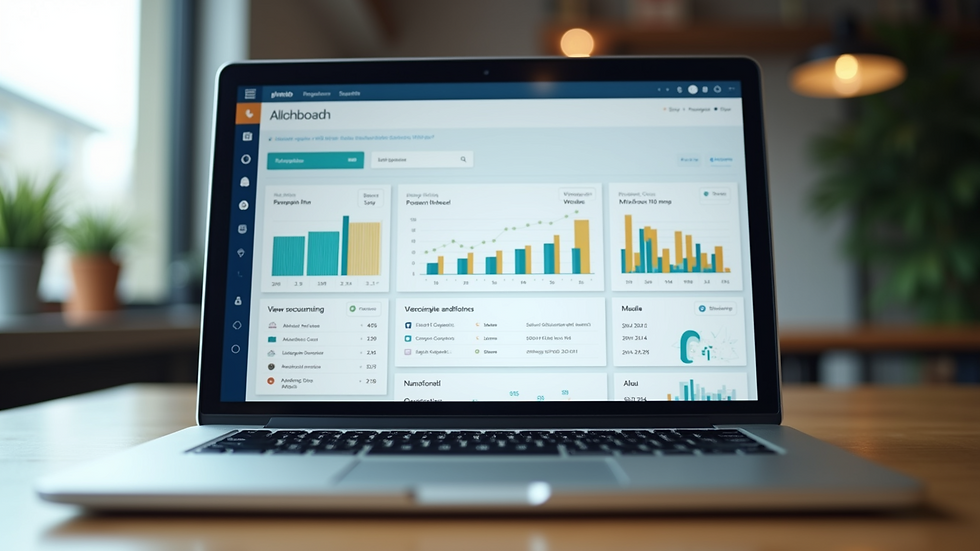
Use visual dashboards: Visual tools make it easier to understand data quickly.
Automate routine tasks: Let software handle data collection and basic analysis so your team can focus on decisions.
Review data regularly: Make real-time analytics part of daily workflows, not just occasional checks.
Stay flexible: Be ready to change strategies based on what the data shows.
By following these steps, you create a culture of data-driven decision-making. This helps your business stay agile and customer-focused.
Embracing Real-Time Analytics for Future Growth
Real-time analytics benefits are not just a trend. They are essential for businesses that want to grow and stay competitive. By using tools that centralize customer communication on platforms like WhatsApp and Instagram, you can boost productivity and support quality.
The future belongs to businesses that listen to their customers in real time. They respond faster, solve problems quicker, and create better experiences. This leads to stronger relationships and higher profits.
If you want to stay ahead, start exploring real-time analytics today. It’s the key to unlocking your business’s full potential.
By embracing real-time analytics benefits, you transform how your business interacts with customers. You gain speed, insight, and control. This helps you deliver the best support and grow your brand with confidence.


Comments